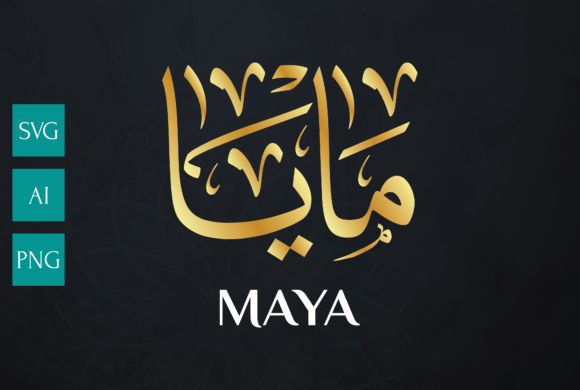
MAYA Name Arabic Calligraphy Vector for Crafts & Graphics
As a brand designer who has spent years refining identities for local boutiques, artisanal food producers, and handmade businesses, I approach every new graphic design asset with a critical eye. It is not enough for a file to look pretty on a screen; it must perform under the harsh lights of a retail shelf, survive the compression of social media algorithms, and convey a specific emotional narrative instantly. Recently, I evaluated the MAYA Name Arabic Calligraphy Vector for a potential rebranding project involving a small-batch skincare line rooted in heritage ingredients. My goal was to determine if this piece of digital art could elevate a local business from a hobbyist operation to a recognized regional brand.
Establishing Mood and Brand Personality
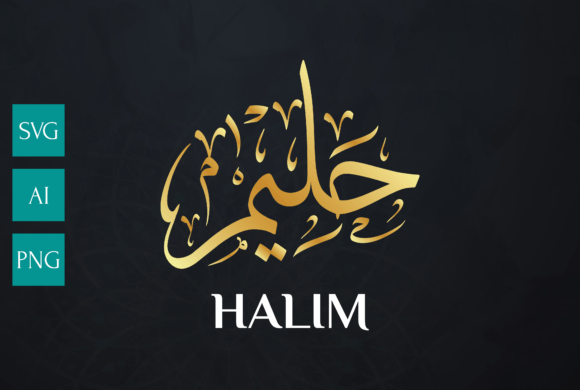
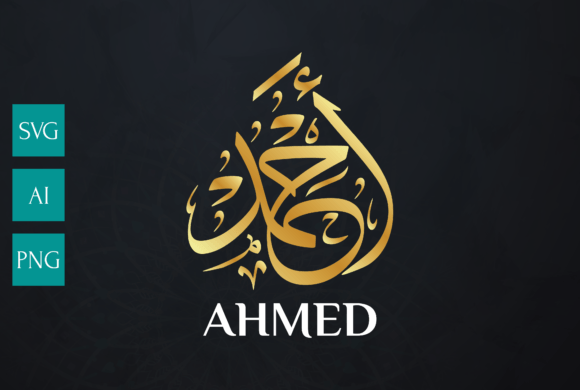
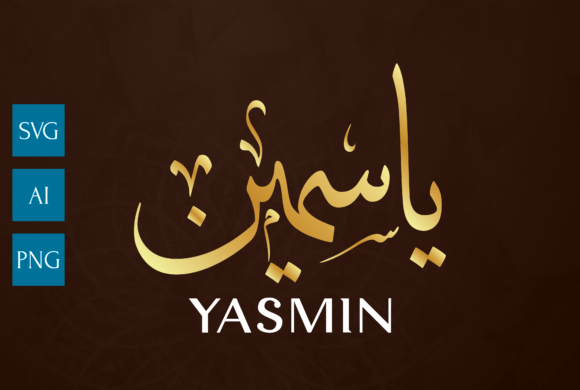
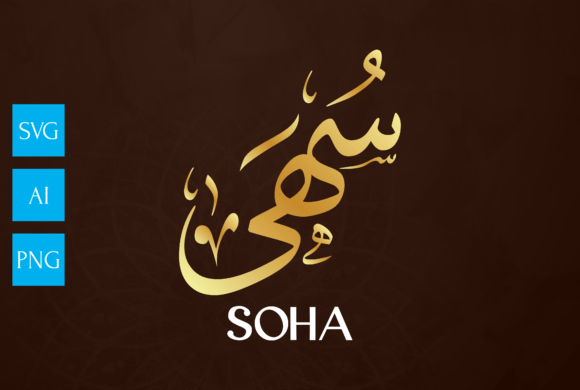
The first impression of the MAYA Name Arabic Calligraphy Vector is one of fluid elegance and cultural depth. Unlike rigid geometric fonts or overly playful scripts, this design carries a weight of tradition while maintaining a modern airflow. For the skincare client, whose products feature organic oils and ancient recipes, the mood created by this calligraphy is perfect. It suggests a brand personality that is sophisticated, authentic, and deeply connected to its roots.
In the realm of Crafts and handmade goods, consumers are increasingly looking for stories. They want to feel that the product was made with care and history. This vector illustration delivers that feeling immediately. It feels less like a generic logo and more like a signature of quality. Whether used for a high-end coffee shop, a boutique florist, or a festive seasonal campaign, the asset projects a premium yet accessible vibe. It avoids being too sterile for a handmade business while remaining polished enough for upscale packaging design.
Strategic Applications in Local Business Branding
The versatility of the MAYA Name Arabic Calligraphy Vector lies in its adaptability across various touchpoints of small business branding. During my review, I mapped out several practical applications where this asset would shine:
- Product Labels: As the hero graphic on a jar or bottle, the calligraphy draws the eye immediately, creating a focal point that distinguishes the product from competitors using standard typography.
- Packaging Accents: Used as a decorative element on box flaps or bag seals, it adds a layer of texture and visual interest without overwhelming the minimal information required on packaging.
- Hang Tags and Thank-You Cards: These small touches are crucial for customer retention. The artistic nature of the vector makes a simple "Thank You" feel like a piece of art, strengthening the emotional connection.
- Social Media Graphics: In a crowded feed, this distinct lettering style stops the scroll. It works beautifully as a watermark, a story highlight cover, or a promotional banner for new launches.
- Menu Graphics and Price Lists: For service-based local businesses like cafes or salons, incorporating this into headers can unify the interior decor with the printed materials.
For product sellers and creative entrepreneurs, the ability to scale this vector without losing quality is paramount. Since the file formats typically include SVG, PNG, and AI, the design remains crisp whether it is blown up for a storefront window decal or shrunk down for a website favicon. This scalability ensures consistent brand identity across all mediums.
Enhancing Business Presentation and Trust
A professional appearance is the fastest route to building customer trust. When a consumer picks up a product with cohesive, high-quality visuals, they subconsciously attribute higher value to the contents. The MAYA Name Arabic Calligraphy Vector supports this by providing a stronger first impression. It creates a clear visual hierarchy, guiding the customer's eye to the brand name before they even read the product description.
Better shelf appeal is a direct result of using distinctive design assets. In a sea of uniform sans-serif labels, the organic curves of Arabic calligraphy stand out. This differentiation is vital for local business owners competing against mass-market giants. Furthermore, the aesthetic consistency provided by using this vector across marketing visuals, product mockups, and printable design inserts signals professionalism. It tells the customer that the brand owner cares about details, which translates to confidence in the product quality.
Ideal Use Cases and Strategic Limitations
While this asset is powerful, it is not a one-size-fits-all solution. It works best in contexts where emotion and heritage are selling points. It is ideal for product labels on artisanal foods, packaging accents for luxury candles, and promotional banners for cultural events or seasonal campaigns like Ramadan or Eid. It excels in boutique visuals where the goal is to create an atmosphere of exclusivity and warmth.
However, caution is required. This style may not be suitable for formal corporate branding in sectors like finance or heavy industry, where neutrality is preferred. It should also be used carefully on very small labels where intricate details might blur during printing. Avoid placing it in ingredient-heavy layouts or near legal information areas, as the decorative nature of the calligraphy can compete with legibility. Additionally, for luxury minimalist brands that rely on stark whitespace and ultra-thin lines, this bold script might feel too ornate. Always ensure there is sufficient contrast against the background to maintain readability.
Practical Notes for the Professional Designer
Before integrating the MAYA Name Arabic Calligraphy Vector into a client project, I recommend a rigorous testing phase. First, test it on real product mockup files to see how the curves interact with the physical shape of the container. Check its usage in black and white to ensure the design holds up without color reliance, which is essential for cost-effective printing or single-color stamping.
Preview the vector on small-scale applications to verify that the fine lines do not disappear. Experiment with pairing it alongside different typefaces; it often creates a stunning contrast when paired with a clean sans serif font for body text or a classic serif font for subtitles. If you are working within a Canva template or similar digital product workflow, ensure the PNG transparency is clean and free of halos.
Finally, and most critically, always confirm the commercial license. Using clipart or illustrations from a creative marketplace for commercial design requires clear permissions, especially for physical product sales. Ensure the license covers logo design usage if you intend to make this the primary mark of the business. By treating this graphic design asset with the same rigor as any custom-drawn element, you can leverage its beauty to build a robust, memorable, and successful brand identity for your local clients.