Miracle Groovy: A Retro Font Review for Embroidery
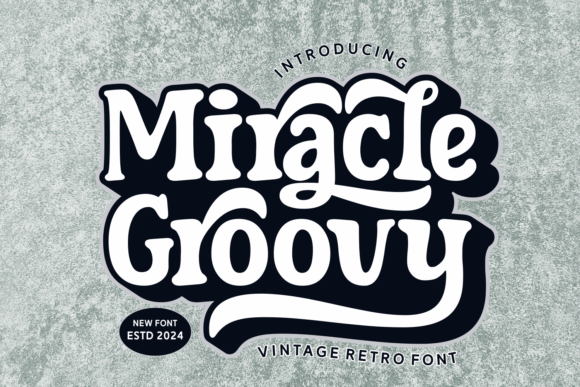
As a designer who spends more time staring at stitch simulations than actual sunlight, I am always on the hunt for typography that translates well from screen to fabric. When I first loaded up Miracle Groovy, the immediate vibe was unmistakable. This isn't just another retro font; it is a genuine throwback to the 70s, capturing that specific era of revolutionary design where curves were king and rigidity was out. For those of us in the craft business, finding a Display typeface that holds its character without becoming a stitching nightmare is rare. This review breaks down how this font performs when you move beyond the digital preview and start hooping up real fabric for client projects.
The First Impression: Mood and Visual Personality
The moment you see Miracle Groovy, you feel the nostalgia. The shapes are bubbly, organic, and undeniably fun. It encapsulates the spirit of the craft culture from decades past, making it an instant candidate for projects that need a friendly, approachable, or slightly rebellious tone. Unlike stiff serif fonts that demand precision, this design invites movement. However, as an experienced reviewer, my first thought wasn't just "it looks cool," but rather, "how will those thick, rounded terminals translate into satin stitches?"
The visual personality of this font suggests it belongs on items meant to be seen and touched. It screams custom apparel for music festivals, boutique branding for coffee shops, or personalized gifts for newborns. The layout of the letters feels balanced, avoiding the awkward spacing issues that often plague vintage-inspired Fonts. But remember, what looks smooth on a vector path can sometimes turn into a dense jungle of thread if the stitch density isn't managed correctly.
Real-World Application: The Tote Bag Test
To truly evaluate Miracle Groovy, I imagined a specific real-life scenario: creating a run of custom tote bags for a local farmer's market vendor. The goal was to create a handmade product that stood out against the sea of plain canvas bags. I envisioned the text stitched in a vibrant mustard yellow against a natural cotton canvas.
In this context, the font shines. The thick strokes of the letters provide enough surface area for a solid fill stitch or a wide satin stitch without losing definition. When I mentally mapped out the stitching process, the rounded edges of the letters suggested a need for careful underlay to prevent the fabric from peeking through. For a tote bag design, durability is key. The robust nature of this display font means it can withstand the friction of daily use better than delicate script fonts. Customers interacting with this finished product would likely perceive high value because the typography feels intentional and professionally executed, rather than like a generic default setting.
Versatility Across Products
Beyond tote bags, Miracle Groovy has significant potential across various categories. Here is where I see it working best in a commercial embroidery setting:
- Sweatshirt Embroidery: The bold lines look fantastic on fleece or French terry. The texture of the fabric complements the retro vibe, creating a cozy, vintage aesthetic that sells well on Etsy.
- Baby Embroidery: Soft, rounded letters are perfect for nursery decor or baby onesies. It feels gentle and playful, ideal for personalized gifts.
- Embroidered Patches: Because it is a display font, it works beautifully as a standalone logo on a patch. The clear shapes ensure readability even at smaller sizes, provided the details aren't too tight.
- Holiday Embroidery: Think Thanksgiving aprons or Christmas pillow covers. The warm, nostalgic feel fits seasonal themes perfectly without being overly cliché.
Technical Considerations and Fabric Challenges
While Miracle Groovy is visually stunning, practical application requires caution. Not every fabric plays nice with every font. If you are planning to use this on stretchy fabrics like jersey knits for t-shirts, you must be vigilant about your stabilizer choice. The heavy curves can cause puckering if the fabric shifts during stitching. I strongly recommend testing the design on scrap fabric first, specifically using the same material and stabilizer combination you intend to use for the final finished product.
Another critical factor is stitch density. Vintage fonts often have thick stems that can become overly dense if the digitizer hasn't optimized the file. High density leads to stiff patches of embroidery that can irritate the skin on custom apparel or crack over time. Before committing to a large order, check the thread count and density settings in your software. If you are working with dark fabric, ensure your underlay is sufficient to pop the thread colors effectively, as the bold shapes rely on strong contrast to maintain their impact.
Be particularly careful with small hoop sizes. While this is a display font, some users might try to shrink it to fit a cap or a small pocket. If the design is scaled down too much, the intricate curves and potential connecting elements could merge, resulting in a muddy mess. Always confirm the minimum recommended size before stitching on curved surfaces like caps or detailed corners.
Enhancing Brand Value and Customer Trust
Using a distinctive font like Miracle Groovy can significantly elevate your brand consistency. For Etsy sellers and small shop owners, offering unique typography sets you apart from competitors using standard system fonts. When a customer receives a item with thoughtful, well-executed typography, it builds trust. They see that you care about the details, which increases the perceived value of your small shop product.
Furthermore, this font is excellent for creating printable mockups and digital product previews. Its strong visual identity grabs attention in social media feeds, driving higher buyer engagement. Whether you are selling physical goods or digital embroidery files, the professional look of this typeface signals quality. It tells the buyer that this isn't just a quick craft; it's a designed asset.
Final Designer Notes for Commercial Use
Before you launch your next collection featuring Miracle Groovy, keep these practical steps in mind:
- Check Licensing: Always verify the license terms. Ensure you have the right to use this for commercial embroidery projects or if you are selling the design assets themselves.
- Test Contrast: Run black and white mockups to ensure the letterforms remain distinct without relying solely on color.
- Inspect Details: Zoom in on the digital file to check for tiny gaps or overlapping paths that could cause thread breaks.
- Fabric Compatibility: Remember that textured fabrics might obscure fine details, so stick to smoother materials for the crispest result.
In conclusion, Miracle Groovy is a powerful tool for any designer looking to inject some 70s soul into their work. It bridges the gap between nostalgic charm and modern application, provided you respect the technical limitations of embroidery. With the right preparation and fabric choices, this font can transform a simple piece of cloth into a standout piece of art that customers will love to wear and display.