Review: University of Tennessee Orange Font Aplh for Embroidery
As a designer who spends more time staring at stitch simulations than actual fabric, I approach every new digital embroidery file with a healthy dose of skepticism. We have all seen those gorgeous printable mockups that look perfect on a screen but turn into a tangled mess of thread breaks and puckering once they hit the machine. That is exactly why I took a close look at the University of Tennessee Orange Font Aplh. This isn't just another alphabet pack; it is a specific stylistic choice that demands careful consideration before you commit to stitching it on a client's favorite sweatshirt or a high-traffic tote bag design.
The Visual Personality and First Impressions
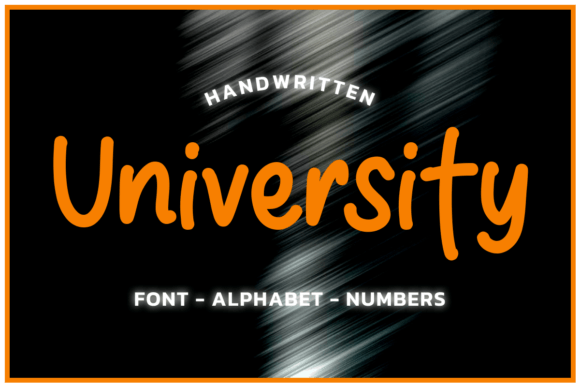
When I first loaded the University of Tennessee Orange Font Aplh into my editing software, the immediate impression was one of bold, collegiate energy. The typeface carries a distinct personality that screams "school spirit" without feeling generic. It has thick, confident strokes that suggest durability, which is promising for commercial embroidery projects where longevity matters. However, the visual weight of the letters means this font is not shrinking well. If you are planning to use this for tiny monograms on baby socks or delicate handkerchiefs, you might want to reconsider. This font shines when it has room to breathe.
The mood it creates is energetic and nostalgic, perfectly suited for alumni gifts, game day gear, or boutique items targeting sports fans. In the realm of Crafts and Graphics, finding a font that balances readability with thematic flair can be difficult, but this design seems to hit that sweet spot. The curves are smooth, suggesting that if the digitizing is done correctly, the needle should glide through the turns without excessive jumping or trimming.
Real-World Application: The Custom Tote Bag Test
To truly evaluate this design, I imagined a real-life scenario: a custom order for a local boutique needing a run of canvas tote bags for a university-themed market stall. The goal was to create a handmade product that felt professional yet accessible. Using the University of Tennessee Orange Font Aplh here makes sense because canvas provides the stability needed for larger lettering.
In this context, the font acts as the hero of the design. On a neutral background, the bold shapes would stand out immediately. For a small shop product like this, recognition is key. Customers walking past a craft fair booth need to instantly grasp the theme. This font delivers that instant recognition. However, I would advise pairing it with simple graphical elements rather than complex backgrounds. Let the typography do the heavy lifting. If you overcrowd the design, you lose the impact of the strong letterforms.
Performance on Different Fabrics and Garments
Not all fabrics play nice with bold fonts. When considering custom apparel, the substrate is everything. On a structured item like a cap or a denim jacket, the University of Tennessee Orange Font Aplh would likely perform beautifully. The stiffness of the material supports the density of the stitches. However, moving to stretchy knits for baby embroidery or lightweight performance tees requires caution.
- Thick Fabrics: Ideal for hoodies, towels, and canvas bags where the fabric can support the stitch count.
- Stretchy Knits: Risk of distortion. You must use a high-quality cut-away stabilizer to prevent the letters from warping after washing.
- Textured Surfaces: On looped towels or corduroy, the edges of the letters might get lost. A satin stitch border might be necessary to define the shapes clearly.
If you are attempting sweatshirt embroidery, remember that fleece can be tricky. The pile of the fabric can swallow smaller details. Since this font appears to have substantial body, it should hold up, but always test your thread colors against the fabric texture first. A dark orange thread on a heather grey sweatshirt might look muddy if the contrast isn't sharp enough.
Technical Considerations for the Stitcher
Before you sell this as a finished product or include it in your design assets library, there are technical boxes to check. The description mentions it is a "meticulously handcrafted typeface," which implies attention to detail, but digitizing for screen and digitizing for thread are different beasts.
You need to verify the stitch density. High-density areas in the thicker parts of the letters could lead to thread bunching if the underlay isn't sufficient. Always run a test on scrap fabric identical to your final project material. Check the corners specifically; sharp angles in block-style fonts often cause thread breaks if the needle penetrates too many times in one spot.
Furthermore, consider the hoop size. If the full alphabet or long words are required, ensure your machine's hoop can accommodate the width without re-hooping, which can lead to alignment issues. For curved surfaces like hats, ensure the design file is compatible with your cap frame setup. The description does not specify exact stitch counts or formats, so it is vital to inspect the file properties upon download to ensure compatibility with your specific machine brand.
Commercial Viability and Brand Consistency
For the Etsy seller or creative entrepreneur, consistency builds trust. If you are building a brand around collegiate-style goods, the University of Tennessee Orange Font Aplh offers a cohesive look. It helps establish a recognizable aesthetic that customers will associate with your shop. However, professionalism hinges on the quality of the finished product. Sloppy stitching on a bold font is far more noticeable than on a delicate script. Every skipped stitch or loose thread will be glaringly obvious.
When creating holiday embroidery gifts or personalized items, the perceived value increases with clean execution. This font suggests a premium, custom feel, provided the stabilization is correct and the backing is trimmed neatly. Avoid using it on items that require frequent, harsh washing unless you are confident in your stitch integrity. A peeling or fraying logo damages your reputation faster than anything else.
Final Verdict for Designers
The University of Tennessee Orange Font Aplh is a strong contender for specific niches within the embroidery market. It excels in applications where boldness and clarity are paramount, such as team gear, spirit wear, and statement home decor like pillow covers. It is less suitable for fine detail work or extremely small applications.
My advice is to treat this design with respect. Do not assume it will work on every fabric straight out of the box. Test your tension, choose your stabilizer wisely, and mind your thread choices. If used correctly, it can elevate a simple embroidered patch or apron into a standout piece that customers are eager to buy. Just remember to double-check licensing terms regarding collegiate trademarks before selling commercial items, as university branding often carries specific legal restrictions regardless of the font design itself.
In the end, this font is a tool. Like any tool in our craft business, its value depends entirely on the skill of the person wielding it. With the right preparation and a keen eye for detail, the University of Tennessee Orange Font Aplh can be a reliable asset in your production workflow.