Bear Captain Logo: A Designer's Review for Embroidery
As a designer who spends more time staring at stitch simulations than I do sleeping, I approach every new machine embroidery design with a healthy dose of skepticism. We have all been there: you download a file that looks crisp on the screen, only to watch it turn into a bird's nest of thread on your hoop. That is why I took a close look at the Bear Captain Logo before committing it to any client projects. This isn't just about whether the image is cute; it is about whether this Graphics asset can survive the rigors of real-world stitching and deliver value to a craft business.
First Impressions and Visual Personality
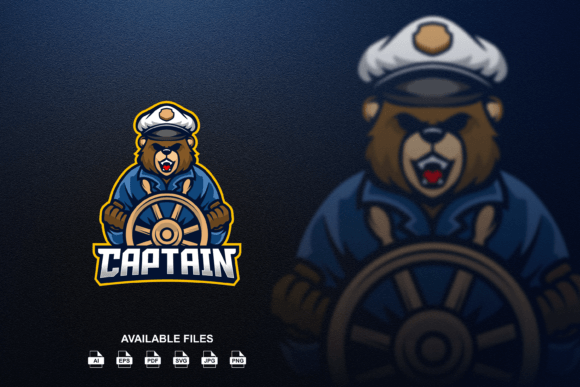
The first thing that strikes me about the Bear Captain Logo is its bold, authoritative yet playful character. The concept of a "Bear Captain" immediately suggests leadership, adventure, and a touch of rugged charm. Visually, the lines appear clean and defined, which is crucial when translating a vector image into thread. In the world of Logos, clarity is king. If the details are too fine, they get lost in the stitch density. If they are too blocky, the design loses its personality.
This design seems to strike a balance that works well for a variety of audiences. It feels at home on children's apparel, suggesting a fun nursery theme, but it also carries enough weight to work on adult custom apparel like hiking gear or brewery merchandise. The layout appears open enough to allow for different thread colors without causing excessive blending issues, a common pitfall in complex logo work.
Real-World Application: The Tote Bag Test
To truly evaluate this design, I imagined a specific scenario: creating a line of branded tote bags for a local outdoor gear shop. The goal was to produce a handmade product that felt durable and professional. I visualized the Bear Captain Logo stitched onto a heavy canvas tote using a satin stitch border with a fill stitch interior.
In this context, the scalability mentioned in the product description becomes vital. Since these are vector-based files built in Illustrator, the ability to scale the logo without losing resolution means I could resize it perfectly for a 4x4 hoop or a larger 5x7 hoop depending on the bag size. For the tote bag project, the bold shapes of the bear and the captain elements would likely hold up well against the textured weave of canvas. Unlike intricate floral patterns that might get swallowed by rough fabric, this logo's strong silhouette ensures high visibility. It creates an immediate finished product that customers would trust, enhancing the brand's perceived value.
Versatility Across Products
Beyond tote bags, the Bear Captain Logo offers significant versatility for an Etsy seller or boutique owner. Here is how I see it performing across different items:
- Sweatshirt Embroidery: On a fleece hoodie, the design would need careful attention to stabilizer choice to prevent sinking, but the bold lines should pop nicely against the soft texture.
- Baby Embroidery: Simplified versions of this logo could make adorable additions to onesies or bibs, provided the small details are adjusted for smaller hoops.
- Embroidered Patch: This is perhaps the strongest use case. The "Captain" theme lends itself perfectly to iron-on or sew-on patches for jackets and backpacks.
- Holiday Embroidery: With a seasonal color palette swap, this could easily become a unique gift for Father's Day or Christmas, moving away from generic store-bought items.
Technical Considerations and Potential Pitfalls
While the potential is high, a professional reviewer must also highlight where caution is needed. Not every fabric is a friend to every design. When working with the Bear Captain Logo, you must be mindful of fabric texture and stretch. Placing this on a thin, stretchy t-shirt without a proper cut-away stabilizer could lead to distortion over time, especially after washing.
Furthermore, if you are attempting this on a curved surface like a cap, the density of the fill areas needs to be checked. High-density areas on a structured cap can cause puckering if the underlay isn't sufficient. Similarly, if the design includes any tiny lettering (which often accompanies logos), you must ensure your machine can handle the resolution at the size you intend to stitch. Small text on dark fabric can sometimes vanish if the contrast isn't managed correctly.
It is also worth noting that while the source file is a scalable vector, the actual embroidery file you generate or purchase must be digitized correctly. Vector scalability does not automatically guarantee perfect stitch paths. You may need to adjust pull compensation or stitch angles depending on whether you are using a running stitch for outlines or dense fills for the bear's fur.
Maximizing Value and Professionalism
Using a distinct logo like Bear Captain Logo elevates a project from a simple craft to a branded asset. For small shop product lines, consistency is key. Using the same high-quality graphic across aprons, towels, and apparel builds brand recognition. Customers are more likely to engage with a printable mockup or a physical item that looks professionally curated rather than haphazardly assembled.
The visual appeal of this design lies in its storytelling capability. It invites the viewer to imagine a narrative, which increases the emotional connection to the personalized gift or item being sold. This emotional hook is what drives buyer engagement in crowded marketplaces like Etsy or craft fairs.
Final Designer Notes and Recommendations
Before you commit to a full production run involving the Bear Captain Logo, here are my practical recommendations for ensuring success:
- Test on Scrap Fabric: Always stitch a sample on the exact same material and weight as your final product. What looks good on cotton muslin might fail on polar fleece.
- Check Thread Contrast: Run a black-and-white test print or simulation to ensure the design elements separate clearly without relying solely on color.
- Verify Licensing: Since this is a commercial-grade graphic, confirm the specific license terms. Ensure you are allowed to sell finished physical items and whether there are restrictions on selling the digital file itself.
- Review Stitch Density: If you are digitizing this yourself from the vector, pay close attention to the density settings to avoid stiff, cardboard-like results.
- Inspect Small Details: Zoom in on the vector edges. Are there stray points? Clean up the path in Illustrator before importing to your embroidery software to ensure smooth stitch generation.
In conclusion, the Bear Captain Logo represents a solid choice for designers looking to add character to their commercial embroidery projects. Its strength lies in its bold simplicity and adaptable theme. However, like any powerful tool, its success depends on the skill of the operator and the care taken in preparation. By respecting the technical limitations of your machine and fabric, you can transform this digital asset into a tangible product that stands out in the marketplace.