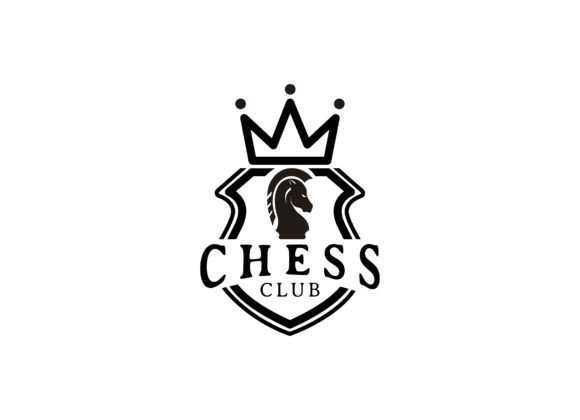
Review: Classic Chess Vintage Logo for Embroidery
As a designer who spends more time staring at stitch maps than most people care to admit, I approach every new embroidery file with a mix of optimism and skepticism. We have all downloaded a beautiful graphic only to watch it turn into a bird's nest of thread on the machine. That is why I took a close look at the Classic Chess Vintage Logo before committing it to a client project. This isn't just about whether the image looks good on a screen; it is about how those vector curves translate into satin stitches, fill areas, and running lines on actual fabric.
The first impression of this design is its strong, nostalgic character. The "vintage" aspect suggests a worn-in, timeless quality that works exceptionally well for boutique branding or personalized gifts. When I opened the source files, specifically the EPS and Adobe Illustrator versions as recommended, the clarity of the paths was immediately apparent. For an embroidery digitizer or a hobbyist looking to convert this into a machine embroidery design, clean curves are everything. They mean fewer jumps, smoother satin columns, and a finished product that looks professional rather than homemade in the wrong way.
Real-World Application: The Boutique Tote Test
To truly evaluate the Classic Chess Vintage Logo, I envisioned a specific real-life scenario: a custom order for a local chess club needing branded merchandise. The request was for heavy canvas tote bags and structured caps. This is where the rubber meets the road. A logo that looks sharp on a white background might vanish on a textured canvas or distort on a curved cap surface.
The layout of this Logos category asset is balanced, which is crucial for embroidery. In my mental mockup, placing this on a tote bag allows the design to breathe. The vintage styling pairs beautifully with natural fiber textures like cotton or linen. If you are an Etsy seller or run a small shop product line, this kind of aesthetic is currently trending. It appeals to customers looking for intellectual, understated style rather than loud, flashy graphics. The design's visual personality suggests it would sit perfectly on a library bag, a teacher's apron, or even a high-end pillow cover for a home office.
Technical Considerations for Stitching
However, we must talk about the technical translation from Graphics to thread. The product description notes that you can edit curves and change colors. This is a vital feature. In embroidery, contrast is king. If you are stitching this onto a dark navy sweatshirt, you cannot rely on the default colors provided in the JPEG or PNG preview. You need to open that AI file, adjust the vector fills to ensure high contrast, and then digitize accordingly.
One area requiring careful attention is stitch density. Vintage logos often feature distressed elements or fine lines to create that aged look. In a digital file, a thin line is just a line. In embroidery, if that line is too thin for a satin stitch, it will break or look spindly. If you attempt to use a running stitch for fine details on a stretchy fabric like a baby onesie, it may pucker without a robust stabilizer. My advice is to test the design on scrap fabric first. Specifically, check how the small details hold up. If the chess pieces have tiny protrusions, ensure your digitizing software can handle those corners without excessive trimming or jump stitches.
For those considering this for custom apparel like t-shirts or hoodies, remember that fabric texture matters. A loopback French Terry sweatshirt has a very different surface than a smooth polo shirt. The Classic Chess Vintage Logo has enough substance to stand out on textured fabrics, but you must verify your hoop size. Ensure the entire logo fits within your available hoop without needing to re-hoop, which can lead to alignment issues. If the design is large, consider breaking it down or ensuring your machine has a large enough field to capture the full scope of the vintage aesthetic in one go.
Commercial Viability and Brand Consistency
Beyond the mechanics of stitching, there is the question of value. How does this design affect the perceived worth of your handmade product? A well-executed embroidery project elevates a simple item into a keepsake. Using a cohesive, well-designed logo like this builds customer trust. It signals that you care about the details. Whether you are creating holiday embroidery gifts or year-round inventory for a craft fair, consistency in your design assets helps build a recognizable brand.
If you are selling digital embroidery file conversions of this artwork, the ability to edit the source vectors is a massive selling point. Buyers love flexibility. Being able to tell a customer, "Yes, I can change the knight to gold thread to match your school colors," adds a layer of service that justifies a higher price point. Just be sure to review the licensing terms associated with the original purchase. While the files allow for editing, commercial rights for the underlying artwork versus the digitized stitch file can sometimes differ. Always confirm licensing before selling finished items or digital products derived from these assets.
Final Verdict for Makers and Designers
In conclusion, the Classic Chess Vintage Logo is a versatile asset that holds significant potential for the right projects. It shines when used on stable fabrics like canvas, denim, or heavyweight cotton where the vintage details can be rendered clearly. It is less suitable for extremely small applications, such as a tiny chest logo on a child's thin t-shirt, unless simplified significantly during the digitizing process.
For the creative entrepreneurs and apparel decorators out there, this design offers a solid foundation. It avoids the trap of being overly trendy, opting instead for a classic look that won't feel dated in six months. Remember to treat the vector files as a starting point, not the final instruction. Open them in Illustrator, analyze the curves, plan your thread colors for maximum impact, and always run a test stitch-out. When handled with care, this logo can transform a standard tote bag design or sweatshirt embroidery project into a standout piece that customers will cherish. It is a reminder that in our trade, the best results come from respecting both the art of the design and the science of the stitch.